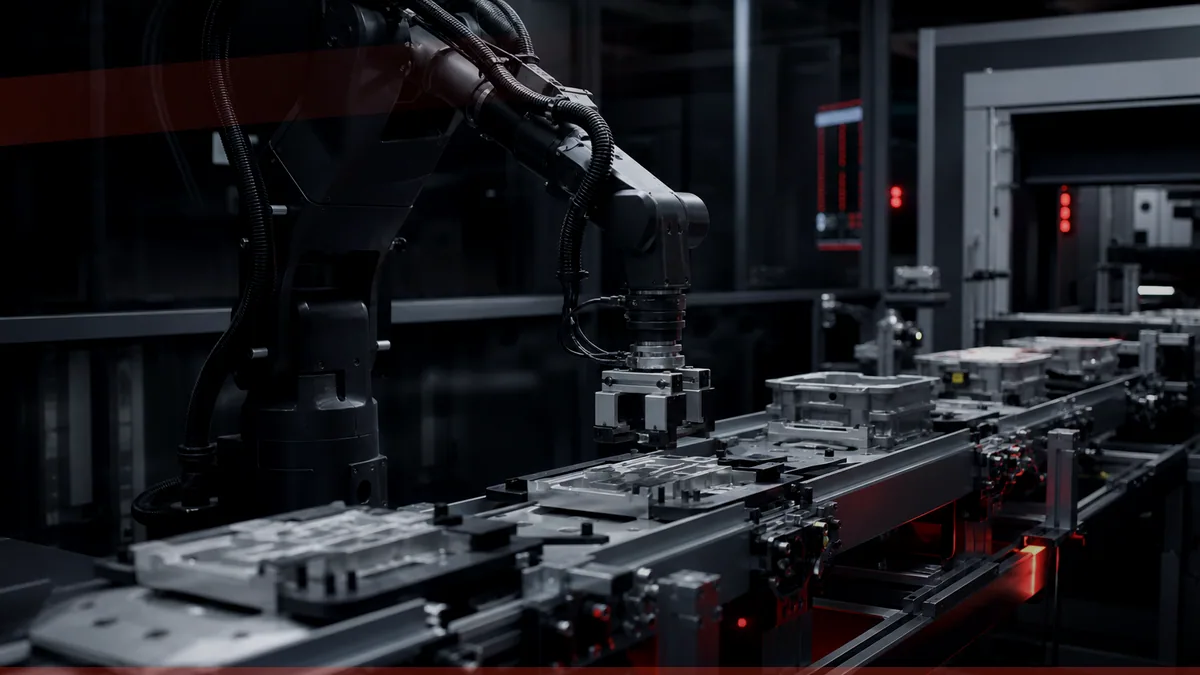
Production automation in Wielkopolska, Poland — from audit to service
A local integrator wins at three stages: audit, installation and after-start service. See what can be done remotely and how to prepare your plant for the visit.
Guides for design engineers, buyers and manufacturers. No theory for theory's sake — specifics, examples, tolerances, materials and quoting tips.
A local integrator wins at three stages: audit, installation and after-start service. See what can be done remotely and how to prepare your plant for the visit.
The anatomy of downtime after a breakdown: where the time really goes, what data to send in an urgent enquiry and what to prepare before a failure so that making a part takes days, not weeks.
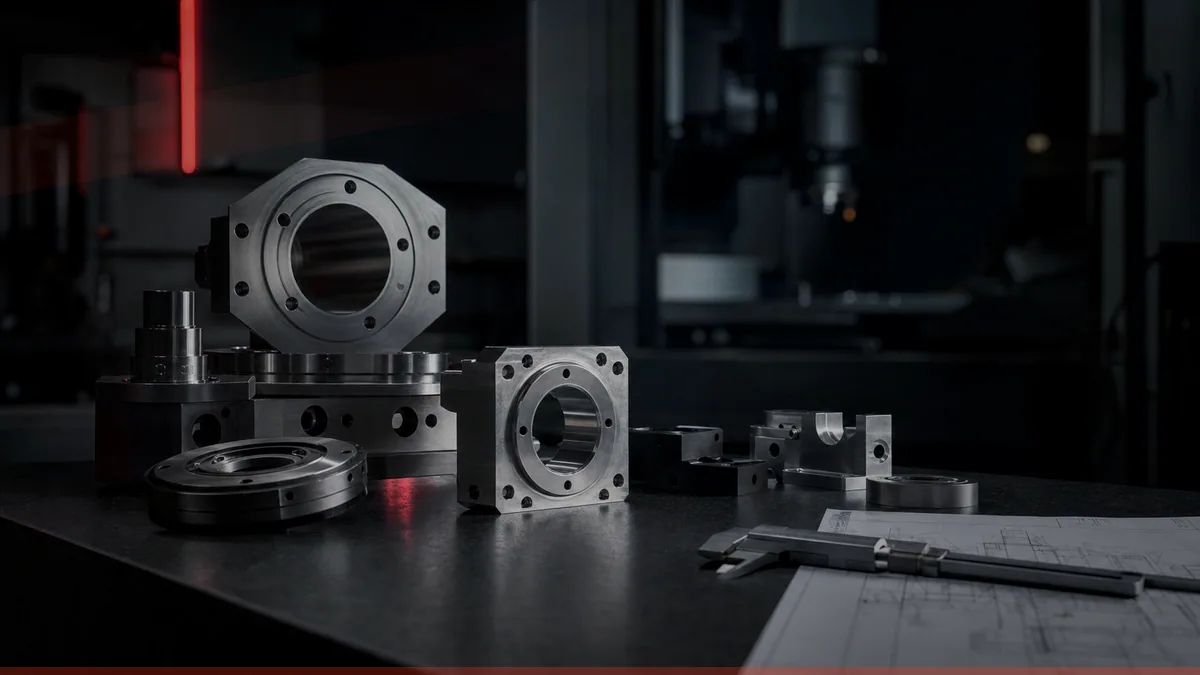
Three scenarios for having machine parts made: with a drawing, from a worn sample and with nothing at all. How measurement and reverse engineering work, and what to watch with fits.
How contractor proximity cuts downtime after a breakdown: delivering the sample part, on-site measurement and personal pickup. A guide for maintenance teams with a breakdown-stage table.
Belt, roller, chain or modular — how to match a conveyor to the part, throughput and environment, and how to integrate transport with machines and buffers.
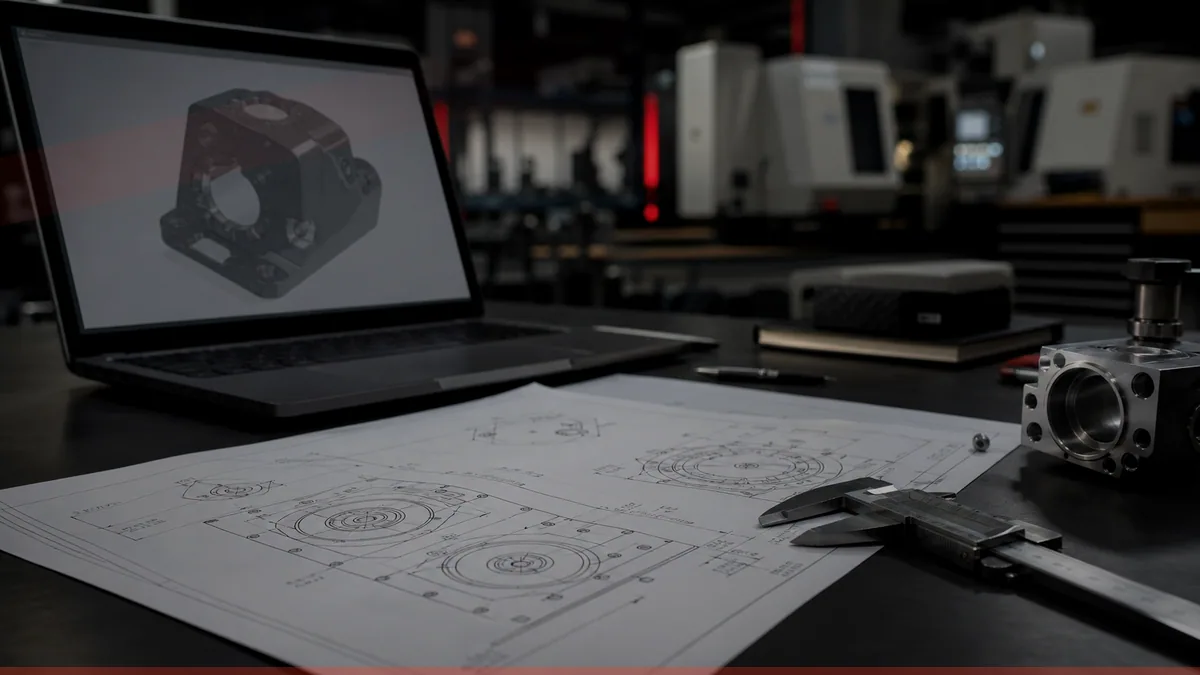
A checklist for rotational parts: what must be on a shaft or bushing drawing, which gaps most often delay the quote, and which information is mandatory versus nice to have.
A retrofit of controls and drives can give an old machine a second life for a fraction of the price of a new one. We calculate when modernisation holds up and when the mechanics say no.
An honest comparison of machining and 3D printing: where printing wins outright, where CNC has no competition and how to combine both technologies in one project.
Which materials and hygienic design rules to apply for food machinery parts: stainless steels, food-contact plastics and surface smoothness.
When a nearby CNC machining partner in Poland pays off for German and EU buyers: logistics on the A2/E30 corridor, on-site inspections and a decision table.
Why stainless steel work-hardens under the tool, sticks to the cutting edge and distorts thin walls — and how choosing grade 1.4301, 1.4404 or 1.4057 affects the part cost.
Why does a prototype cost several times more than a part from a batch? The structure of CNC machining cost, setup spread per part and an indicative price index for 1-1000 pcs.
What an in-house CNC machine really costs and when outsourcing machining works out cheaper. The cost-of-ownership structure, a TCO table and the hybrid model.
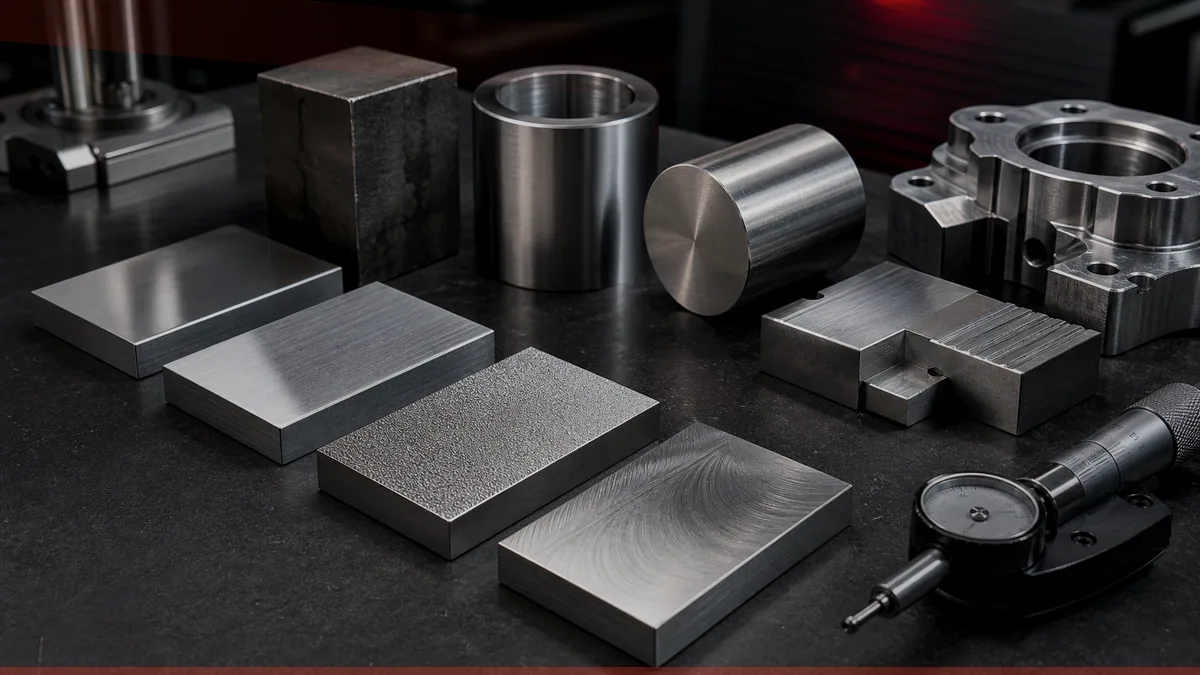
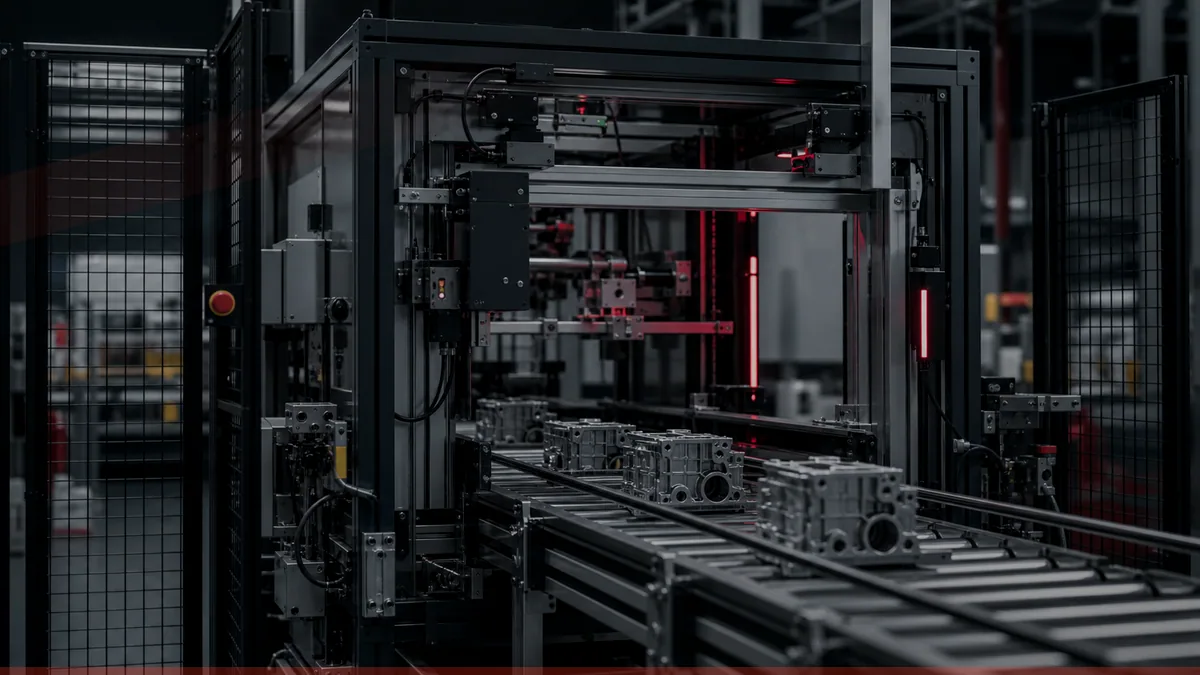
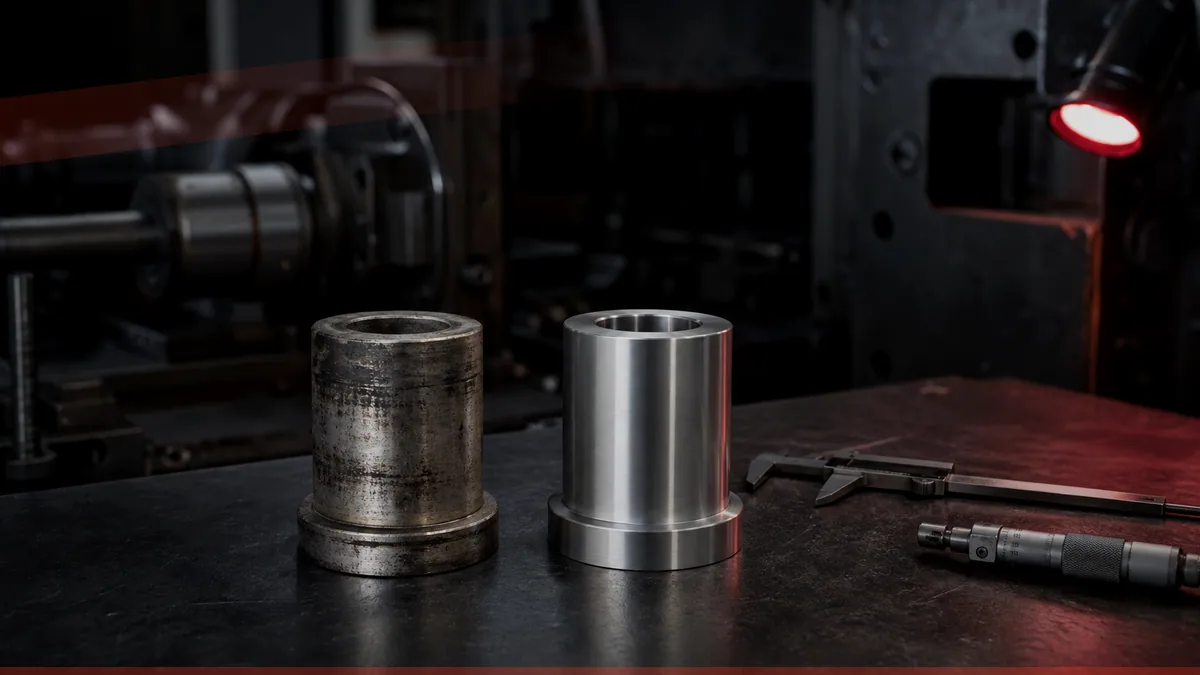
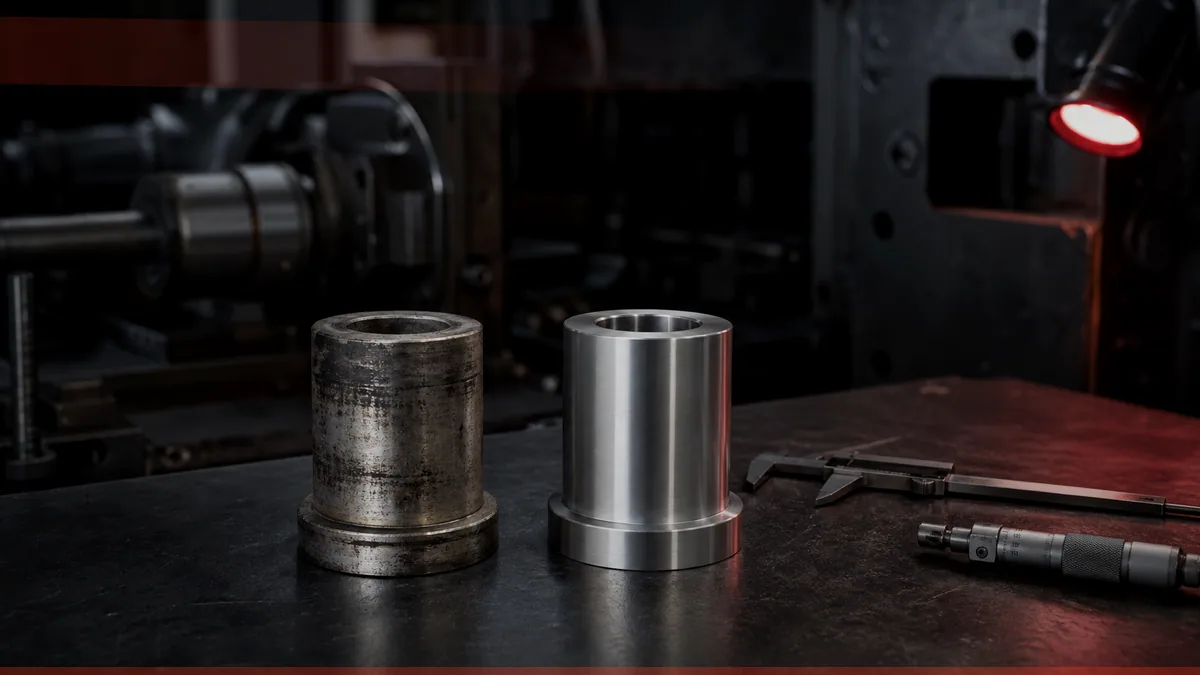
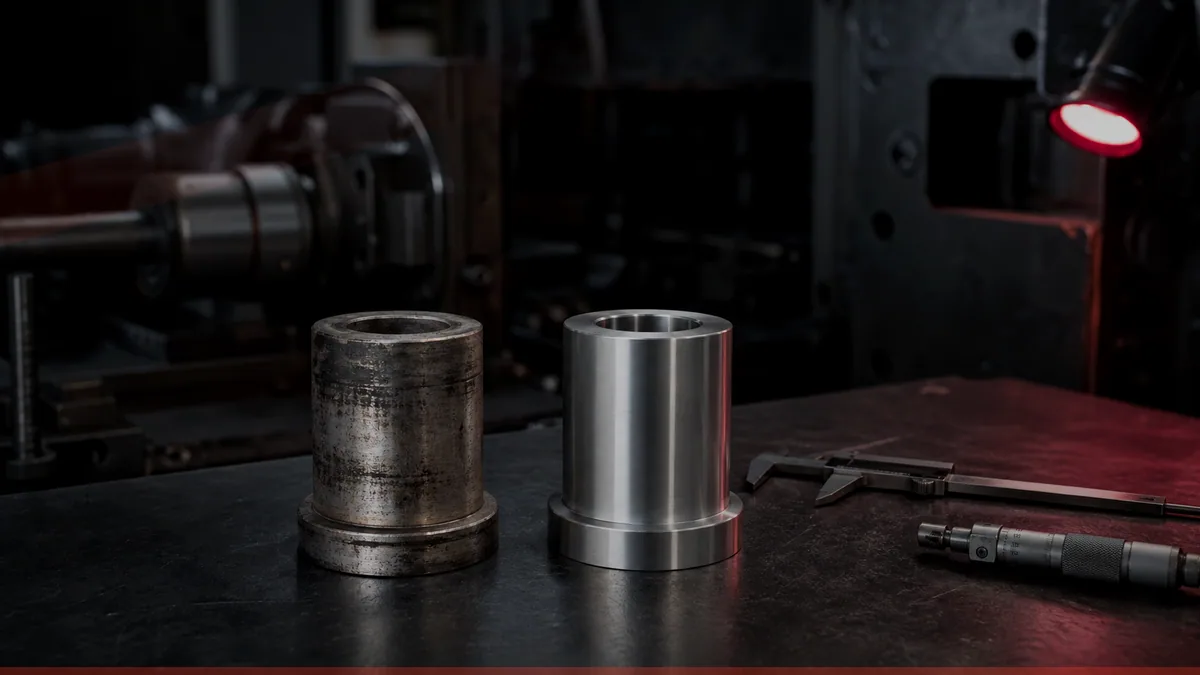
Weld overlay and grind, or make from scratch? We compare reconditioning and a new part by cost, time, risk and repeatability — including the trap of repeated reconditioning.
A simple automation ROI model: four components of annual savings, the payback period, one clear worked example and a list of what the spreadsheet misses.
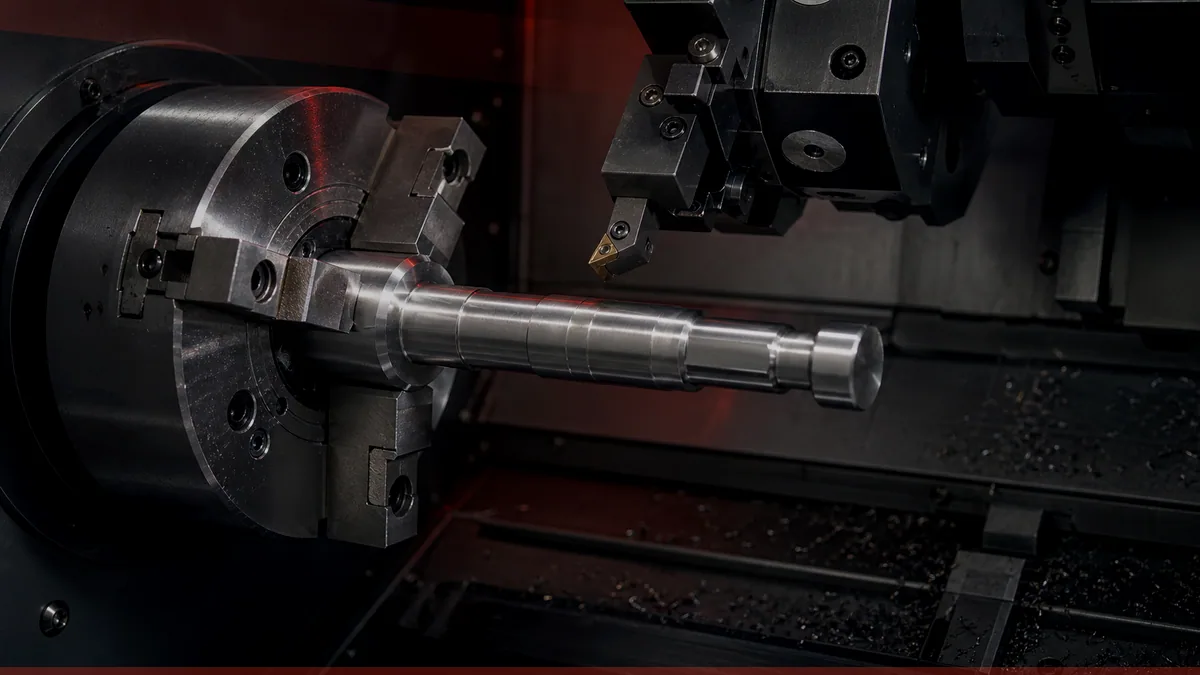
When is accurate turning enough, and when must the part go to the grinder? IT grades, Ra surface roughness, machining after hardening and the situations where grinding is a needless cost.
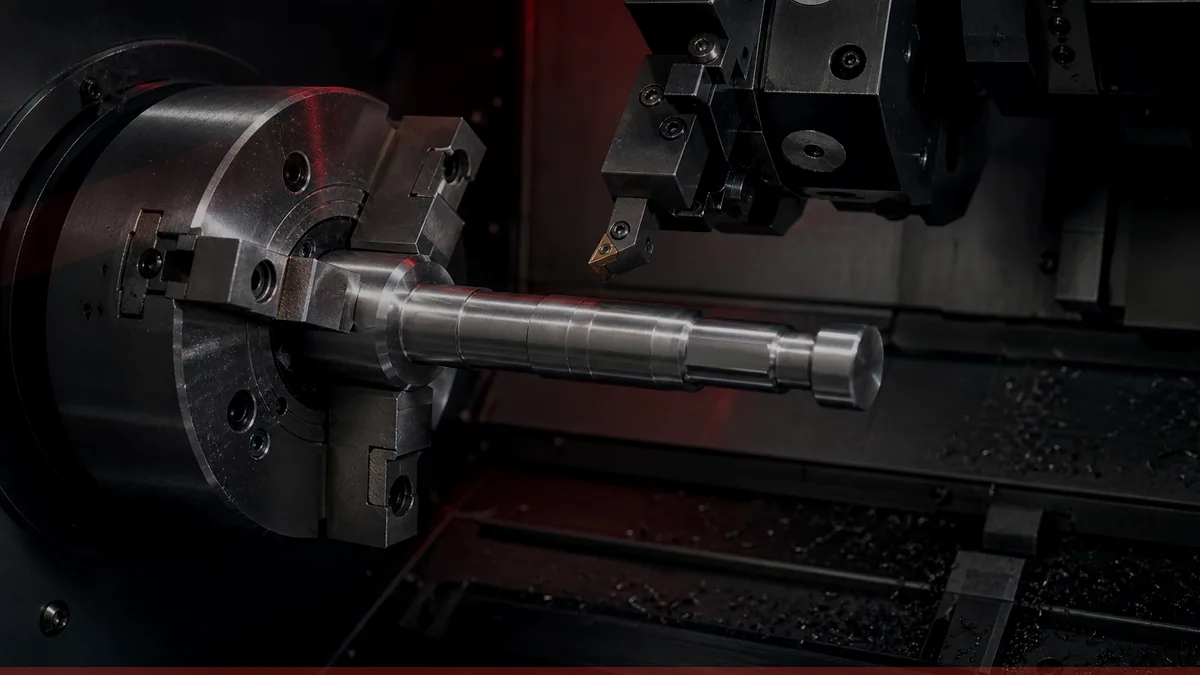
Which IT grades and what surface roughness a CNC lathe realistically achieves, when grinding becomes necessary, and how to tolerance a shaft drawing so you do not overpay.
How framework cooperation differs from ad hoc orders, what exactly to put in a framework agreement with a CNC subcontractor and when this model really shortens downtime.
A buffer growing in front of a station, localised overtime, machines waiting for parts — how to spot and measure a bottleneck without MES before spending your robot budget.
The full path of a CNC machining order: from inquiry and NDA, through a quote within 48 hours and production with inspection, to delivery and invoicing — from both sides' perspective.
An overview of coatings for CNC parts: anodising, zinc plating, blackening, passivation and powder coating. What each one does, how it changes the dimension and how to specify it on the drawing.
The complete data set a special-purpose machine builder needs before quoting: product, process, environment, people and safety. With a checklist and a risk table.
What makes up the conformity of a special-purpose machine: risk assessment, documentation, manual, declaration of conformity and the CE plate — plus what to ask the builder before the contract.
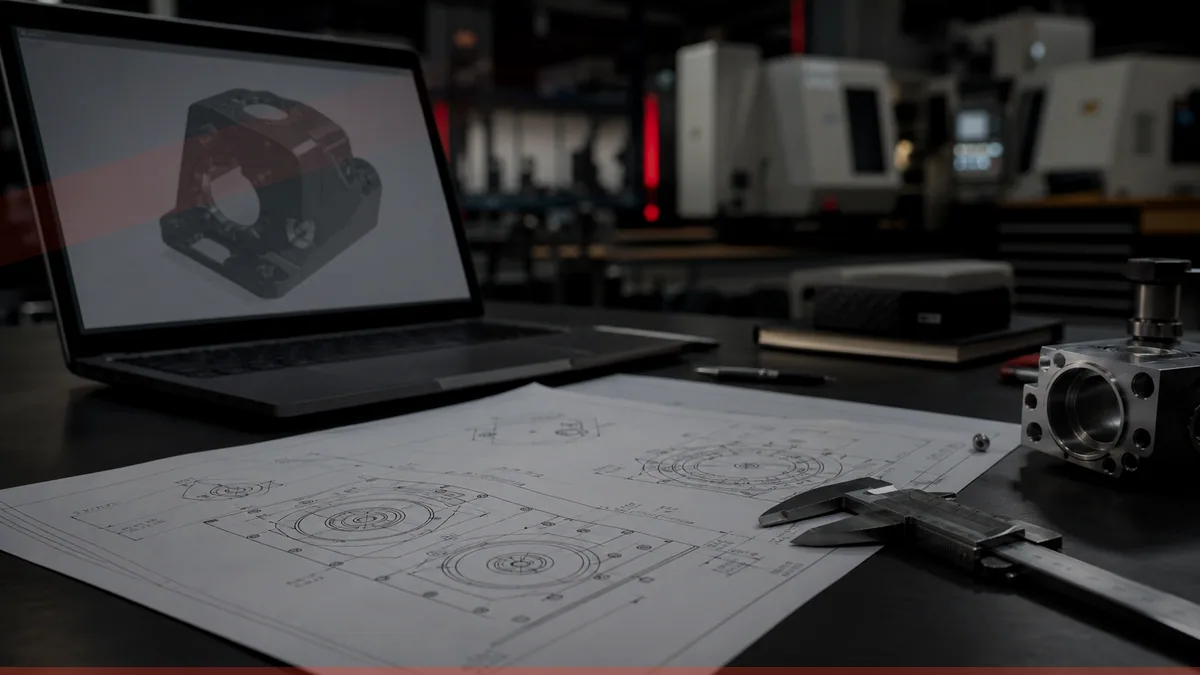
How to recreate a 3D model and drawing from a physical part without documentation — the measurement process, the limits of the method and what has to be assumed: material, heat treatment and tolerances.
How to prepare a 3D model for CNC machining — a valid solid, correct units and scale, a clean STEP export, consistency with the drawing and version control — so the part is made without surprises.
What process data to prepare before talking to an automation integrator: takt time, volume, task descriptions, part features, quality, flow and space constraints.
What really matters when choosing a CNC supplier: matched technology, quality control and tolerances, a transparent quote, lead times and red flags.
How to match a CNC machining technology to a part — turning, milling, mill-turn and grinding — based on geometry, tolerances, material and batch size.
Practical DFM rules for CNC milling: corner radii, pocket proportions, wall thickness, tool access and sensible tolerances — less cost and less risk.
A complete checklist of files and information for a CNC part quote: PDF drawing, STEP model, material, quantity, finish and deadline — no back-and-forth questions.
Why tight tolerances raise the cost of a CNC part and how to specify accuracy so you pay only for the critical dimensions — general tolerances, fits, IT grades and surface roughness.
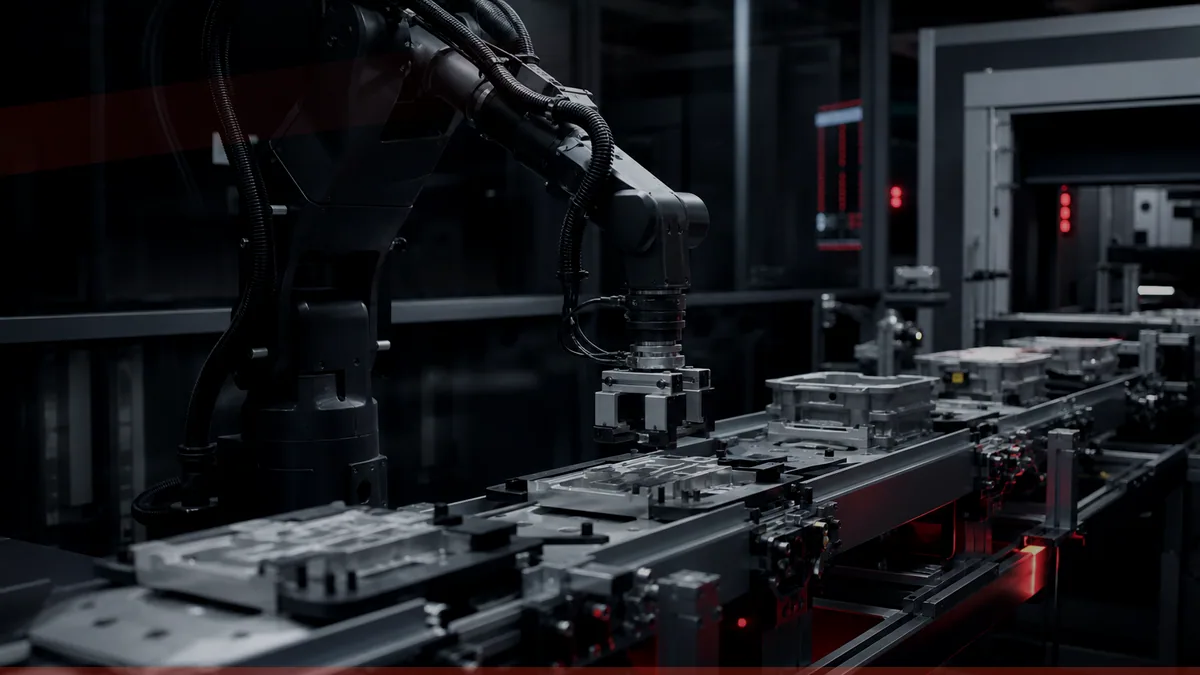
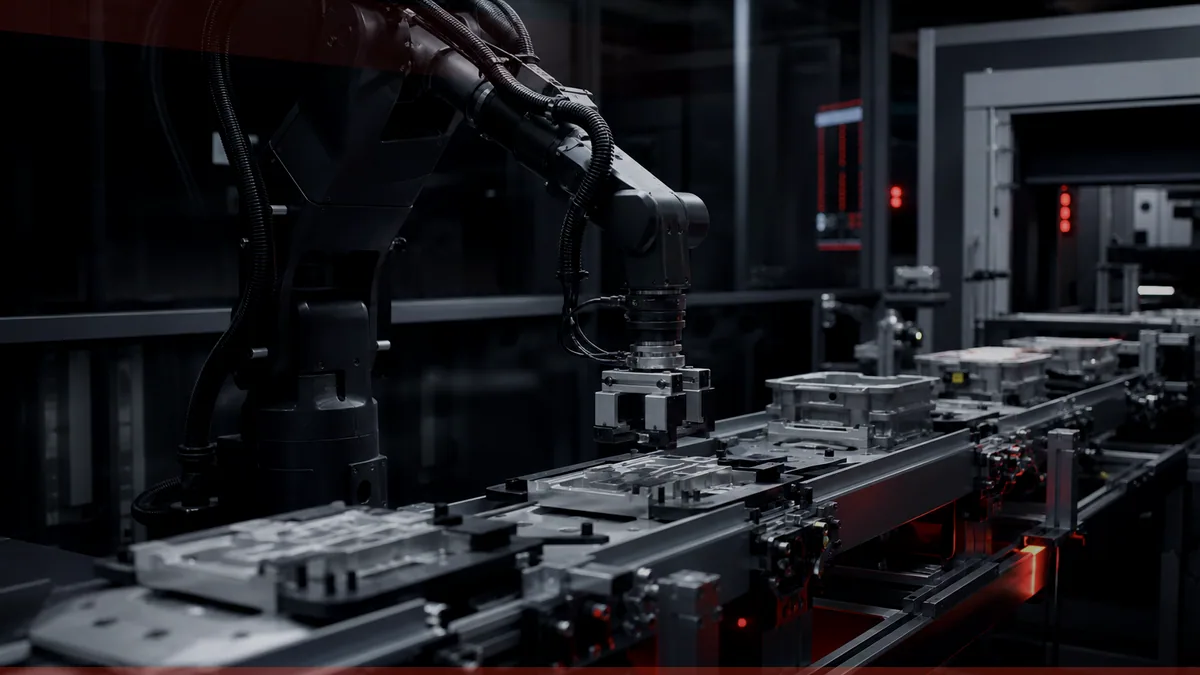
A practical decision framework for manufacturing companies: an off-the-shelf workstation, modular automation or a special-purpose machine designed around your process.
How to assess whether automating a workstation, part transport or process inspection makes economic and technological sense.
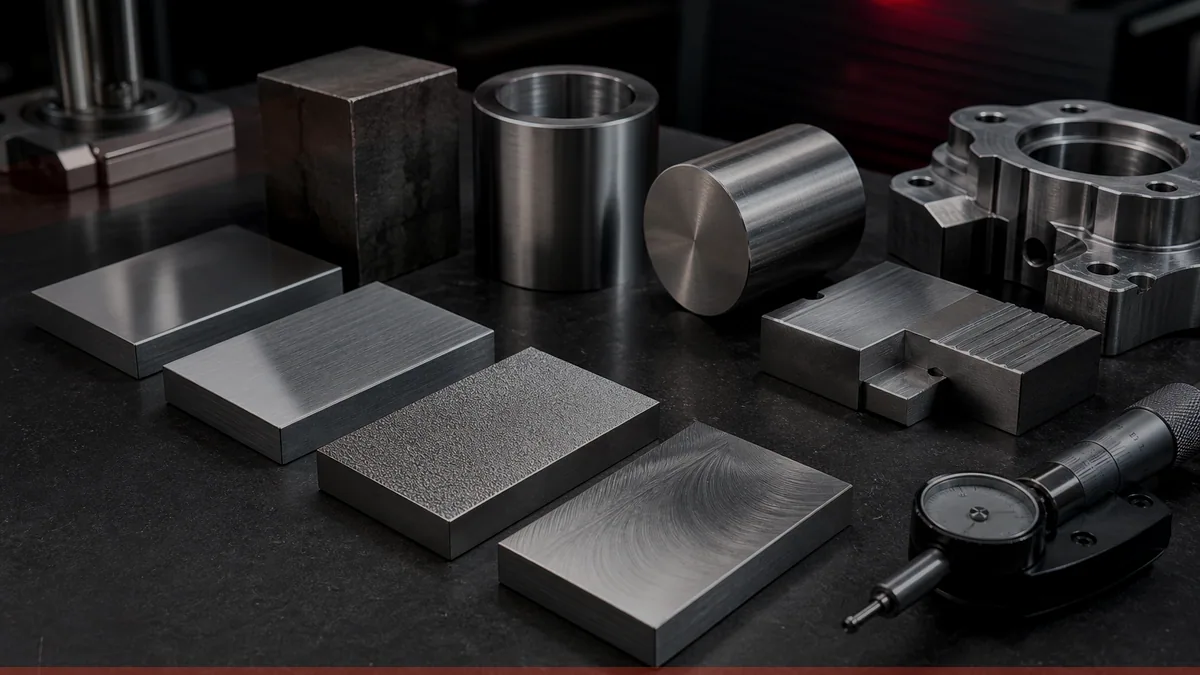
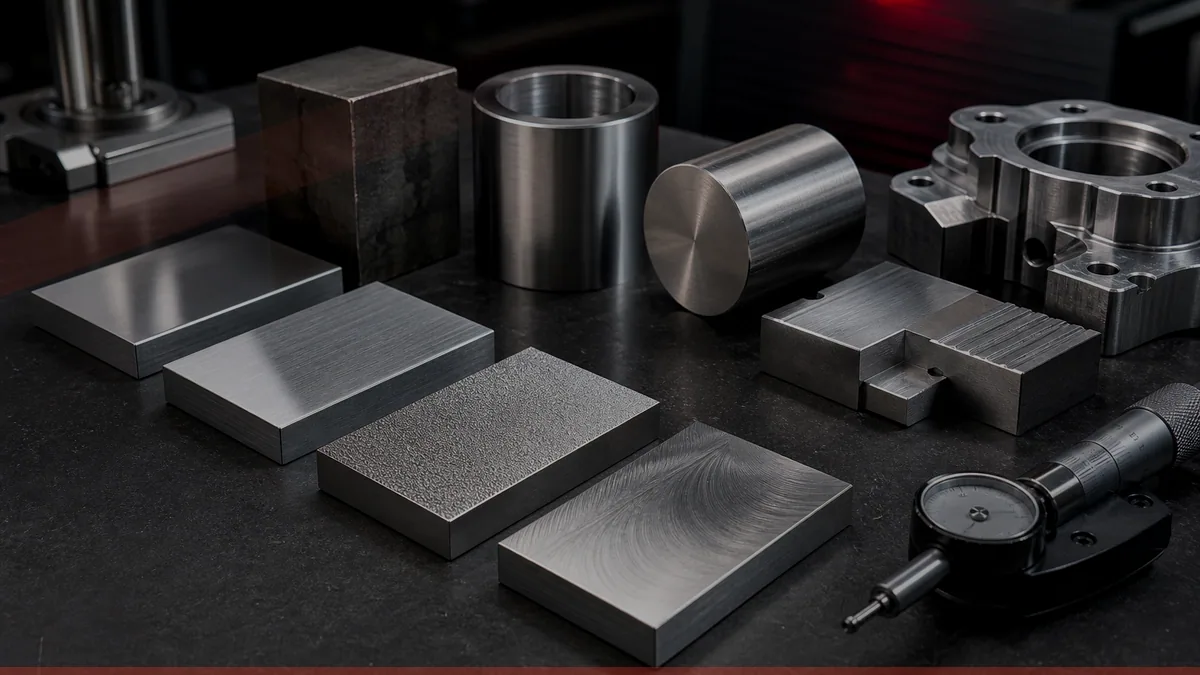
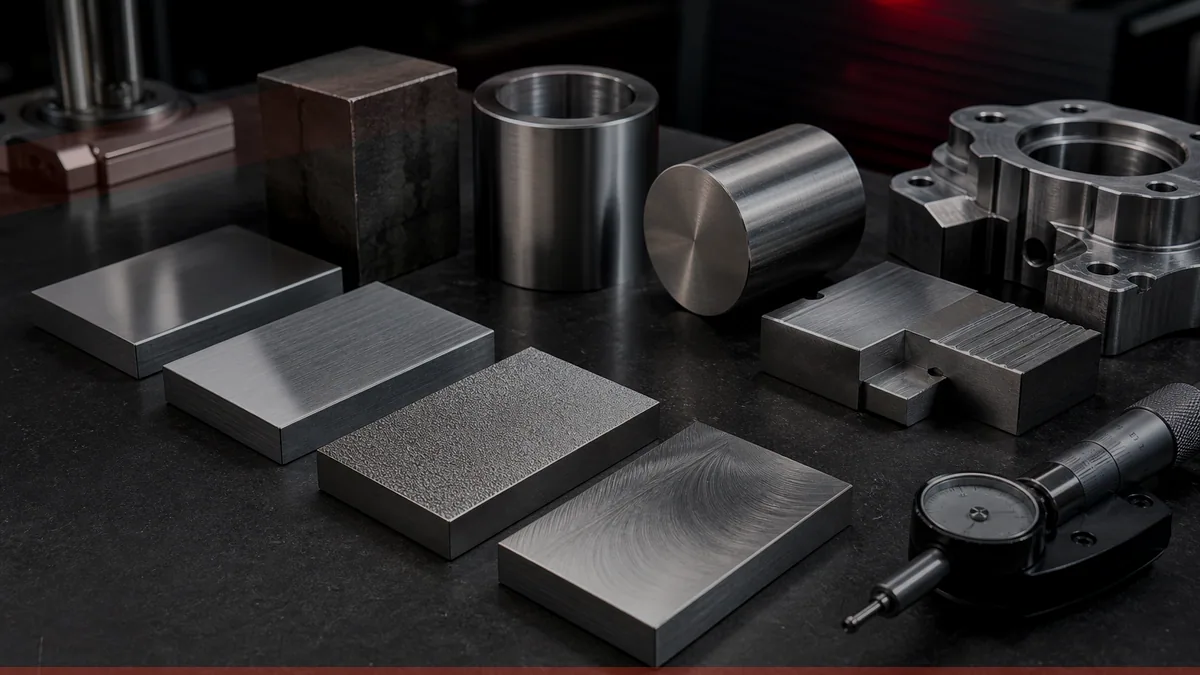
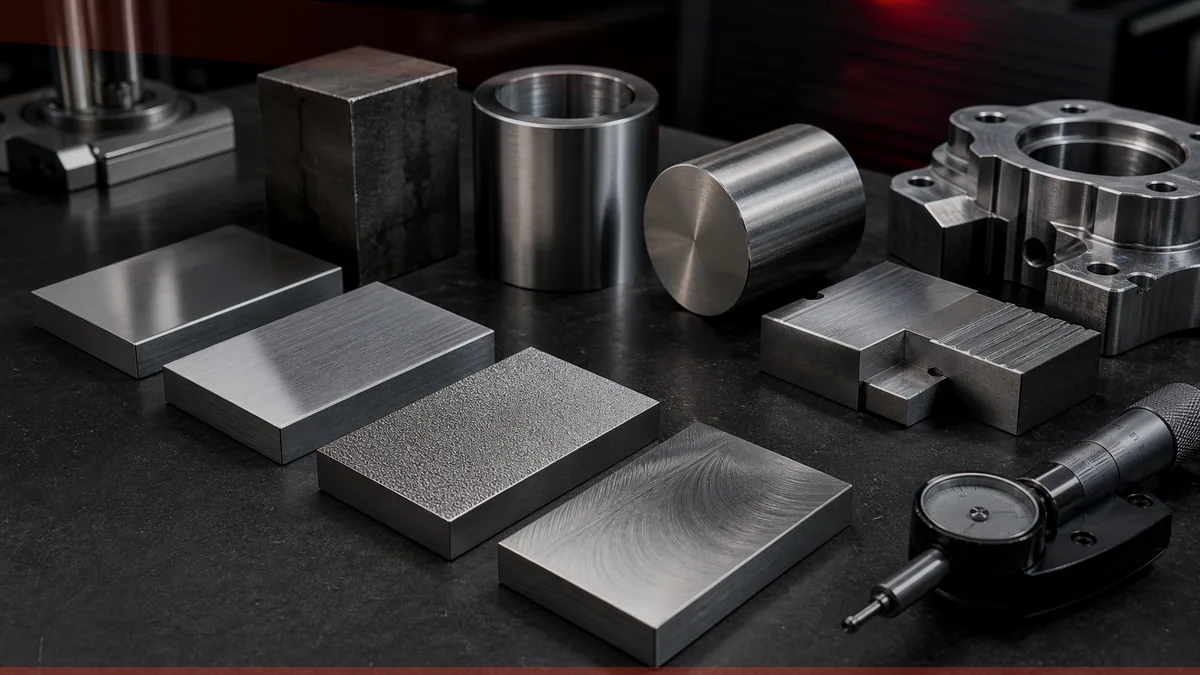
Choosing the material for a CNC part without guessing: when to pick C45, when stainless steel and when aluminium.
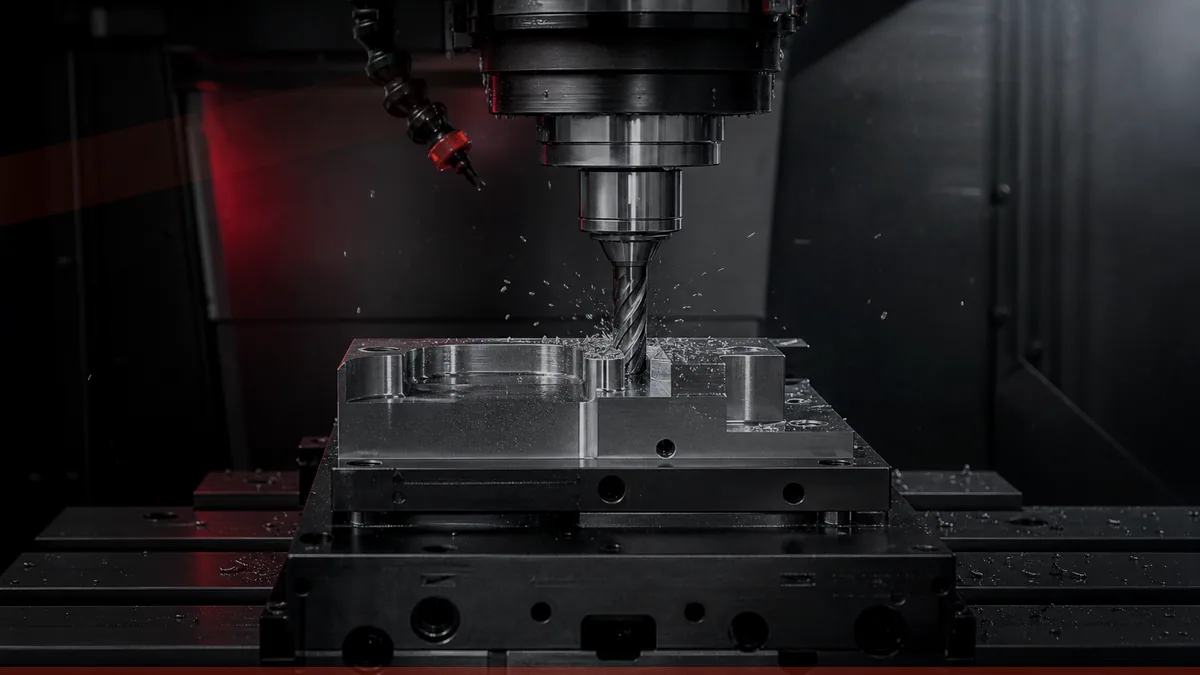
When is 3-axis milling enough, and when is it better to pay for a 5-axis strategy? Practical criteria for design engineers and buyers.
A practical breakdown of CNC part pricing: material, programming, setup, cycle time, tolerances, inspection and batch size.
A concrete list of data that shortens CNC quoting time: file formats, tolerances, material, quantities, critical surfaces and measurement requirements.
We compare two turning technologies. When does CNC come out cheaper, and when is a conventional lathe the only sensible choice? Real numbers, zero marketing.