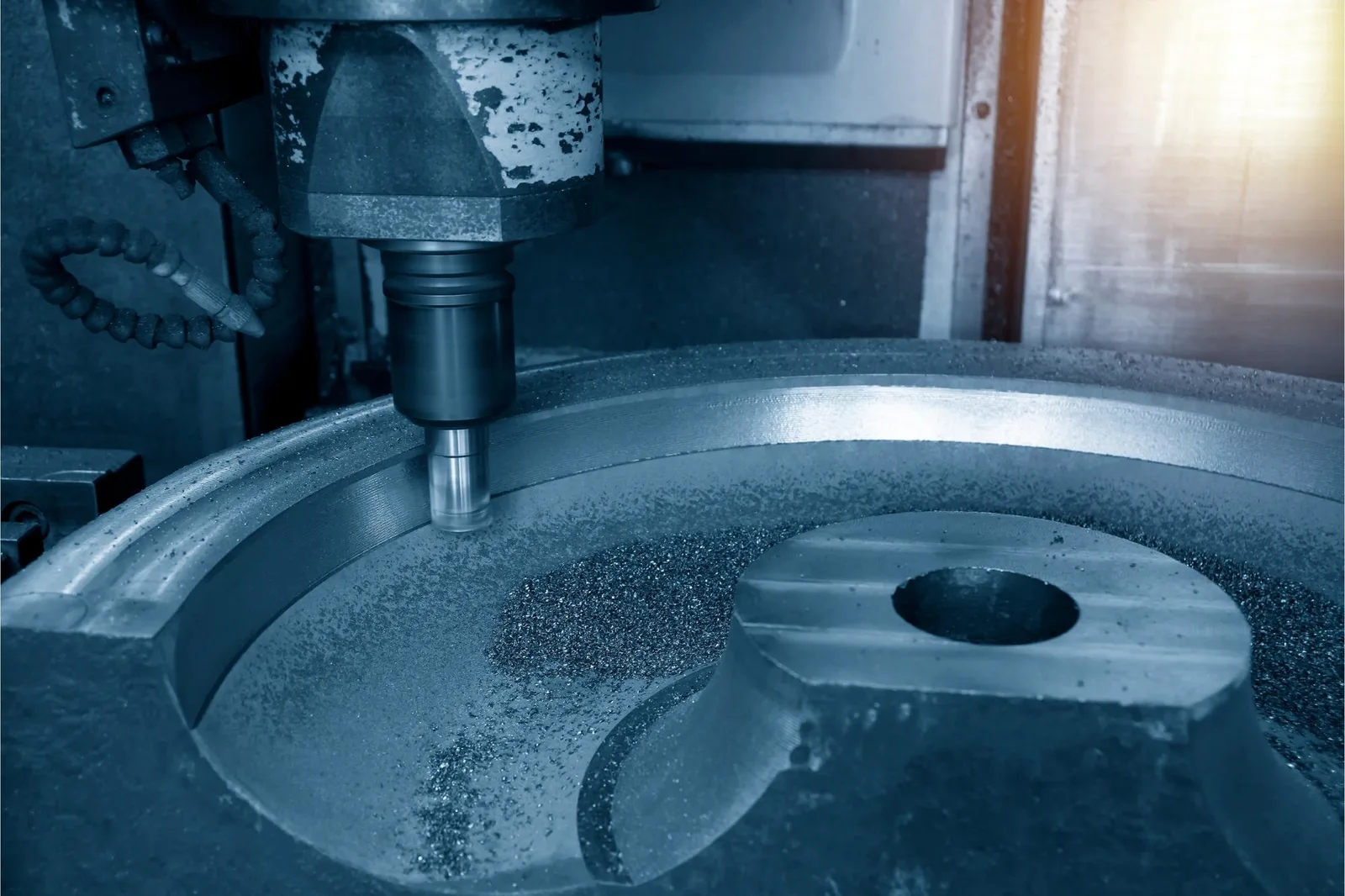
CNC machining or 3D printing — when to machine, when to print?
An honest comparison of machining and 3D printing: where printing wins outright, where CNC has no competition and how to combine both technologies in one project.
A hub for CNC machining topics: cost, technology selection, documentation, materials and production decisions.
Back to the knowledge base
An honest comparison of machining and 3D printing: where printing wins outright, where CNC has no competition and how to combine both technologies in one project.
Which materials and hygienic design rules to apply for food machinery parts: stainless steels, food-contact plastics and surface smoothness.
When a nearby CNC machining partner in Poland pays off for German and EU buyers: logistics on the A2/E30 corridor, on-site inspections and a decision table.
Why does a prototype cost several times more than a part from a batch? The structure of CNC machining cost, setup spread per part and an indicative price index for 1-1000 pcs.
What an in-house CNC machine really costs and when outsourcing machining works out cheaper. The cost-of-ownership structure, a TCO table and the hybrid model.
When is accurate turning enough, and when must the part go to the grinder? IT grades, Ra surface roughness, machining after hardening and the situations where grinding is a needless cost.
What really matters when choosing a CNC supplier: matched technology, quality control and tolerances, a transparent quote, lead times and red flags.
How to match a CNC machining technology to a part — turning, milling, mill-turn and grinding — based on geometry, tolerances, material and batch size.
A practical breakdown of CNC part pricing: material, programming, setup, cycle time, tolerances, inspection and batch size.